
Introduction
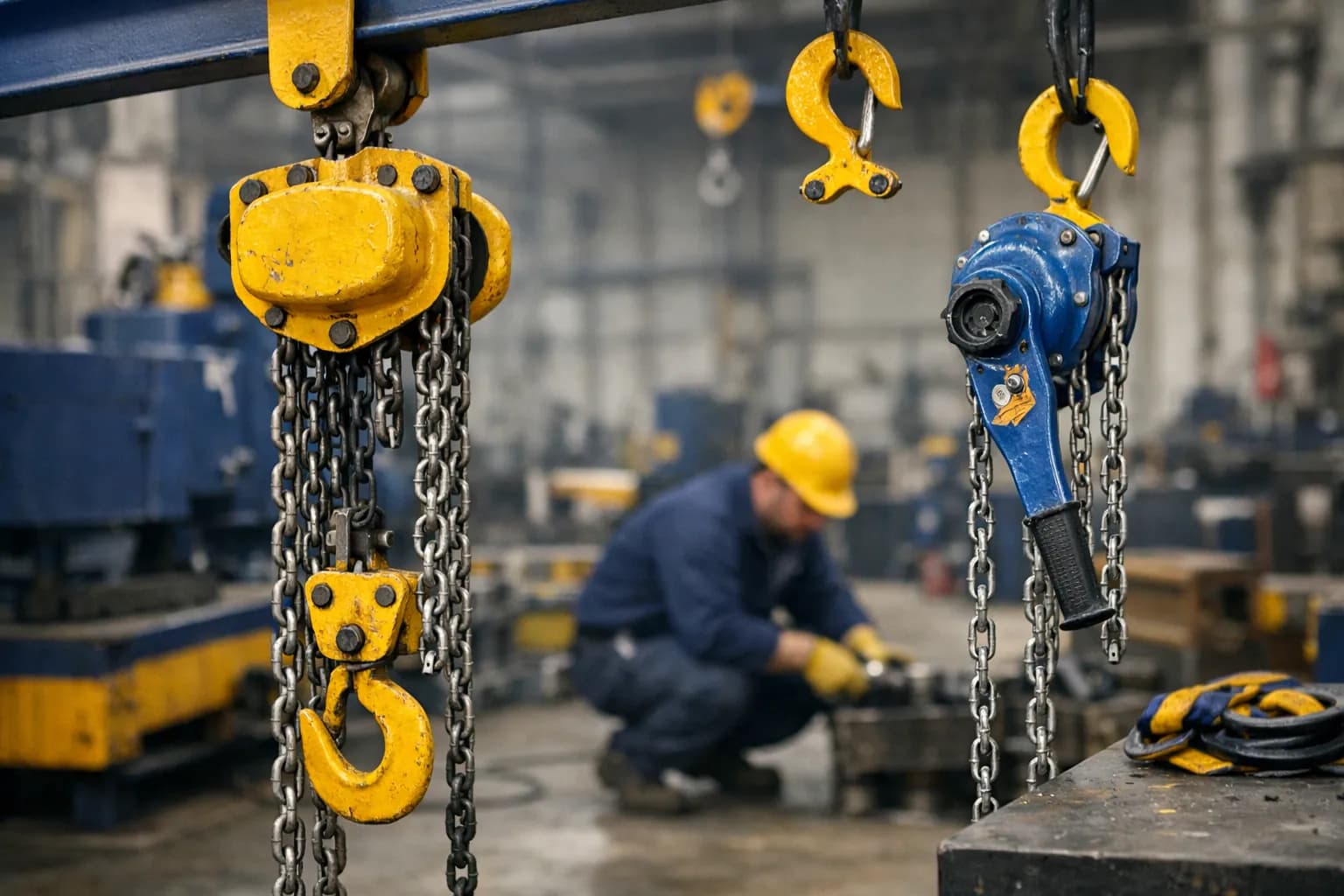
Chain hoists and pullifts are essential tools in workshops used for lifting heavy loads. Safety in the use of these tools is of utmost importance, as any negligence can lead to serious accidents and injuries to workers. In this article, we will discuss safety tips for using chain hoists and pullifts.
Understanding Chain Hoists and Pullifts
Chain hoists and pullifts are specifically designed to lift heavy loads. These tools can easily move various weights. However, knowing how to use these tools correctly is crucial to prevent accidents.
Safety Tips Before Use
Before using a chain hoist or pullift, several safety tips should be followed:
- Equipment Inspection: Always inspect the equipment thoroughly before each use to ensure its safety and functionality.
- User Training: Only individuals who have received proper training should operate these tools.
- Use Protective Gear: Always wear protective gear such as helmets and safety glasses.
Safety Tips During Use
While using chain hoists and pullifts, the following safety measures are essential:
- Avoid Overloading: Never place more weight than the rated capacity on the chain hoist or pullift.
- Use Appropriate Chains: Chains must be compatible with the load being lifted and of good quality.
- Maintain a Safe Work Environment: The workspace should be free of obstacles and hazards to prevent accidents.
Safety Tips After Use
After completing work with chain hoists and pullifts, the following actions should be taken:
- Clean the Equipment: Ensure that the tools are cleaned and maintained after use.
- Proper Storage: Chain hoists and pullifts should be stored in safe and secure locations.
- Report Issues: Any problems or malfunctions should be reported immediately for necessary actions.
Conclusion
Safety in using chain hoists and pullifts is a serious responsibility. By following the mentioned safety tips, accidents can be prevented, and the workplace can be made safer. For more information on chain hoists and pullifts and related products, you can refer to the provided links.
Understanding Chain Hoists and Pullifts
Chain hoists and pullifts are essential tools in various industries, including construction, manufacturing, and warehousing. They are designed to lift heavy loads safely and efficiently. However, with their power comes the responsibility to use them correctly. Understanding their operation and adhering to safety protocols is crucial in preventing accidents and ensuring a safe working environment.
Common Hazards
Despite their usefulness, chain hoists and pullifts can pose significant risks if not handled properly. Common hazards include:
- Falling Loads: Improper use can lead to loads being dropped, posing a danger to personnel below.
- Mechanical Failures: Worn or damaged equipment can fail during operation, leading to accidents.
- Operator Error: Inadequate training can result in mishandling the equipment, increasing the risk of injury.
Choosing the Right Equipment
Selecting the appropriate chain hoist or pullift for the task is vital. Consider the following factors:
- Load Capacity: Ensure the equipment can handle the weight of the load being lifted.
- Height of Lift: Determine the required lift height and choose equipment that meets those specifications.
- Type of Load: Different loads may require specific types of hoists or lifts, such as electric or manual options.
Maintenance Practices
Regular maintenance is key to ensuring the longevity and safety of chain hoists and pullifts. Implement the following maintenance practices:
- Regular Inspections: Conduct routine checks for wear and tear on chains, hooks, and other components.
- Lubrication: Keep moving parts well-lubricated to prevent friction and wear.
- Replacement of Worn Parts: Replace any damaged or worn components immediately to avoid potential failures.
Emergency Procedures
In the event of an emergency, having a clear plan can save lives. Establish emergency procedures that include:
- Immediate Reporting: Ensure all operators know how to report an incident quickly.
- Evacuation Routes: Clearly mark and communicate evacuation routes in case of an emergency.
- First Aid Training: Provide first aid training for staff to handle minor injuries on-site.
Final Thoughts
Using chain hoists and pullifts safely is a critical aspect of workplace safety. By adhering to safety tips before, during, and after use, as well as understanding the equipment and potential hazards, operators can significantly reduce the risk of accidents. Always prioritize safety and ensure that all personnel are trained and aware of the proper procedures. For more detailed information on safety practices, consider consulting safety guidelines or professional training resources.