
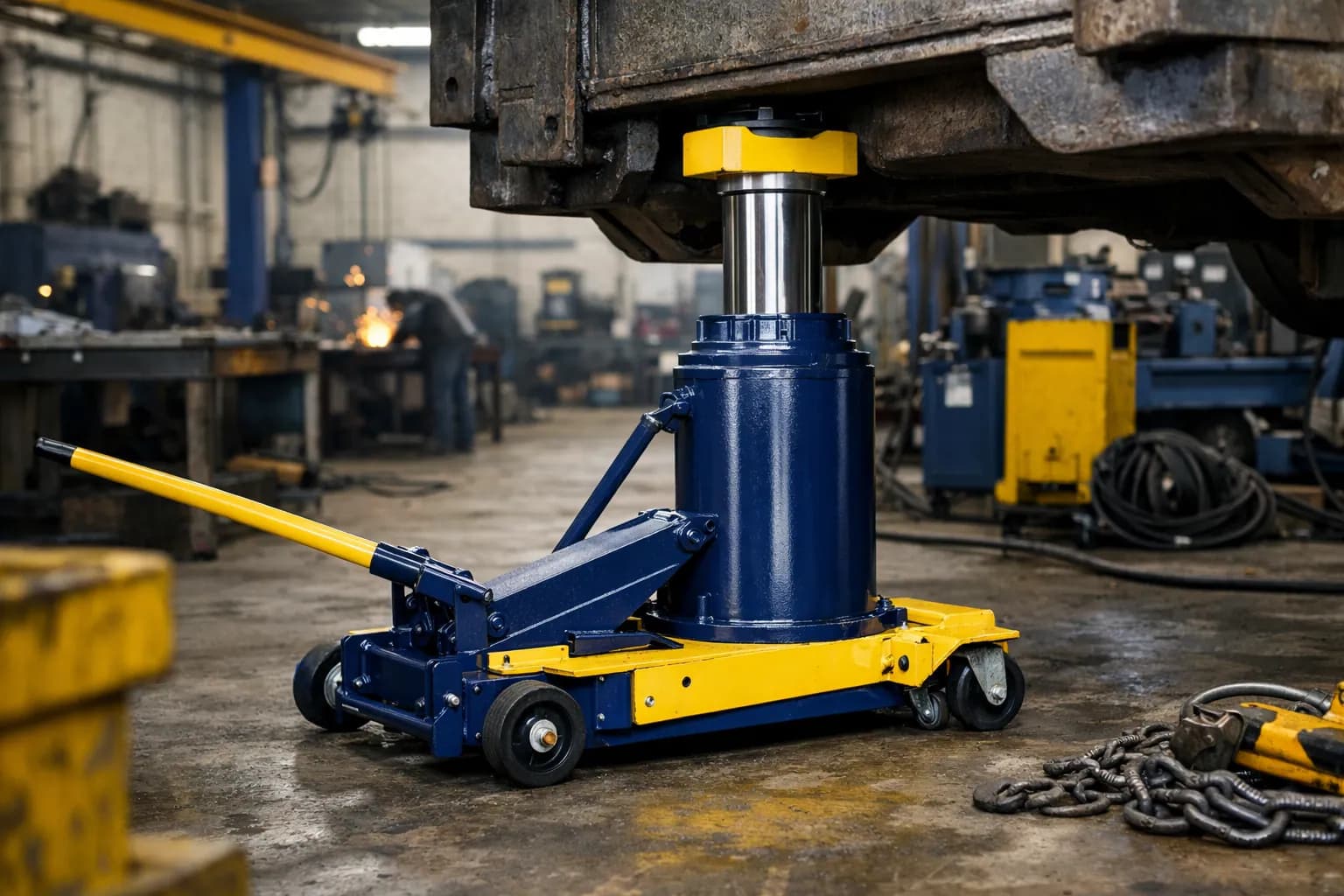
A hydraulic jack is an essential tool in various industries that allows for the easy movement of heavy loads. In Tehran, with the growth of industries and the need for suitable equipment, choosing the right hydraulic jack is of great importance. In this article, we will explore important tips for buying hydraulic jacks and introduce different types.
Types of Hydraulic Jacks
Hydraulic jacks are divided into several categories, each with its specific applications. Some of these types include manual jacks, electric jacks, and pallet jacks.
- Manual Hydraulic Jacks: These jacks are suitable for general use and in places where electricity is not available. They are typically lightweight and portable, making them ideal for small to medium tasks.
- Electric Hydraulic Jacks: These jacks are used for heavy loads in industrial environments and operate easily with electricity. They usually have more power and can lift heavier loads.
- Pallet Jacks: These jacks are used for moving pallets and heavy loads in warehouses and stores. Pallet jacks typically have larger wheels and a special design that makes them easier to maneuver.
Important Tips for Buying Hydraulic Jacks
When purchasing a hydraulic jack, paying attention to several important points can help you make the best choice:
- Load Capacity: Always pay attention to the load capacity of the jack to ensure it meets your needs. This is crucial because using a jack with a lower capacity than required can be dangerous.
- Type of Jack: Choose the appropriate type of jack based on your usage. If you are working in an environment with electricity, an electric jack may be a suitable option, while a manual jack may suffice for smaller jobs.
- Quality of Construction: Purchase from reputable brands to ensure the quality and durability of the product. Low-quality jacks may not perform well under tough conditions.
- Warranty and After-Sales Service: Ensure that the product comes with a warranty and proper after-sales service. This can be very helpful in case of any issues.
Safety Tips When Using Hydraulic Jacks
Using hydraulic jacks requires adherence to safety guidelines to prevent accidents:
- Always use the jack on flat and sturdy surfaces. Using a jack on uneven surfaces can be dangerous.
- Inspect the jack before use and ensure there are no leaks. Leaks can indicate a problem in the hydraulic system.
- Never lift more than the jack's maximum load capacity. Doing so can damage the jack and pose a risk of load falling.
- Avoid standing under a load that is being lifted. This can pose serious safety risks.
Maintenance Tips for Hydraulic Jacks
To increase the lifespan of your hydraulic jack and maintain its efficiency, it is essential to follow these maintenance tips:
- Store the jack in a dry and cool environment. Humidity and high temperatures can damage the internal components of the jack.
- Regularly inspect the jack and ensure the components are in good condition. Any leaks or damage should be repaired immediately.
- Use appropriate oils for the hydraulic system and regularly check the oil level. The hydraulic oil should be clean and at the desired level.
- Properly store the jack when not in use. It is better to keep the jack in a lowered position to prevent pressure on the components.
Common Mistakes When Using Hydraulic Jacks
There are several common mistakes in using hydraulic jacks that can lead to serious problems:
- Using a jack with an inappropriate capacity: This is one of the most common mistakes that can lead to damage to the jack and safety hazards.
- Failing to inspect the jack before use: Many people do not check the jack before using it, which can be dangerous.
- Standing under a load that is being lifted: This can be extremely dangerous and should be completely avoided.
- Using the jack on uneven surfaces: This can cause the load to fall and damage the jack.
Related Products
For purchasing hydraulic jacks, you can refer to the following products:
Conclusion
Ultimately, choosing the right hydraulic jack can significantly impact your work efficiency and safety. By considering the points discussed, you can select the best option for your needs and enjoy working with this efficient tool.